
Many still think mobile gaming is just casual tapping, but the numbers say otherwise. In 2023, mobile esports tournaments drew over 8 million viewers worldwide, a 35 % jump from 2022. That surge shows players are serious about competing on the go.
What games are driving the mobile esports boom?
Three titles dominate the scene: Mobile Legends, Call of Duty: Mobile, and Clash Royale. Each offers a competitive ladder that rewards skill with in‑app currency and real‑money prizes. For example, the Mobile Legends World Championship paid out a total of $1.2 million in 2023, with the winner taking home $200,000. Players can access these events from any smartphone, provided they have a stable 5G connection.
How do players train for mobile tournaments?
Training now mirrors PC esports, but with a mobile twist. Teams schedule 4‑hour practice blocks each day, using touch‑optimized controllers and custom key‑maps. Coaches analyze replays frame‑by‑frame, focusing on reaction time and map awareness. A study from the University of Seoul found that players who practiced for 15 minutes daily improved their in‑game accuracy by 12 % over two weeks.
What infrastructure supports on‑the‑go competition?
Reliable bandwidth is essential. Major tournaments partner with telecoms to offer dedicated 5G lanes for live streams, ensuring latency stays below 50 ms. Servers are hosted in multiple regions, reducing lag for players in Asia, Europe, and the Americas. Ticketing is digital; fans purchase access through a mobile app, eliminating physical queues.
What are the biggest challenges for mobile esports?
Device disparity remains a hurdle. A 2024 survey showed that 27 % of participants used mid‑range phones, which struggle with high‑frame‑rate graphics. This can create an uneven playing field. Additionally, battery life is a concern; tournaments now schedule breaks every 90 minutes to allow players to recharge or swap devices.
How does mobile esports fit into the broader gaming ecosystem?
Beyond competitive play, mobile esports fuels content creation. Streamers upload highlights to YouTube and TikTok, monetizing through ads and sponsorships. Brands target this demographic with micro‑ads that appear between game segments, reaching an audience that spends an average of 3 hours per day on mobile games.
From competitive play to casual entertainment: a quick detour
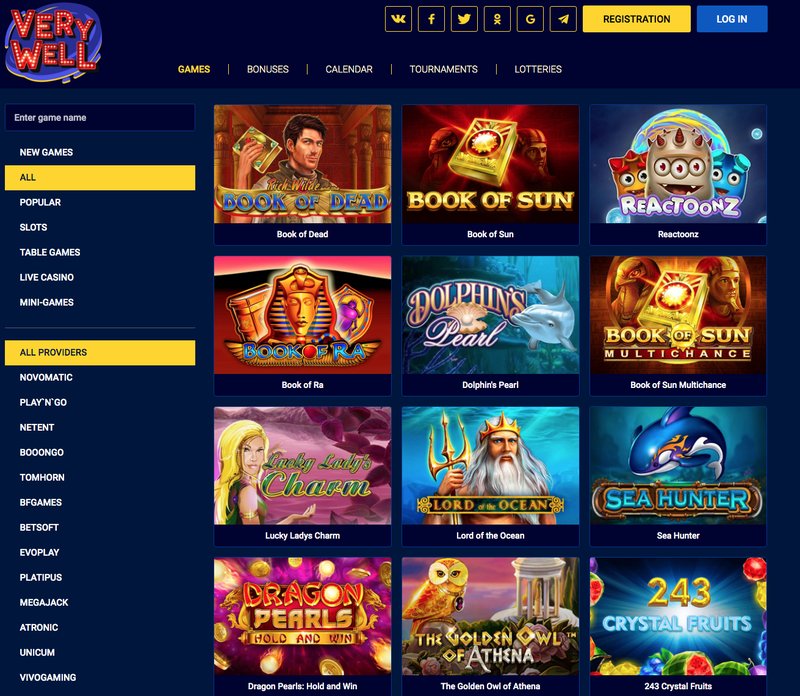
When you’re on a train or waiting for a bus, you can still enjoy the thrill of a live match. If you’re looking for a different kind of online entertainment, Very Well Casino offers a variety of mobile-friendly games that keep you engaged while you commute.
What does the future hold for mobile esports?
Predictors point to a 20 % annual growth rate over the next five years. Innovations such as edge computing and AI‑driven matchmaking will lower latency and personalize match difficulty. As hardware improves, we’ll see more titles—especially 3D shooters—transition to mobile platforms, widening the competitive landscape.
Should I start training for mobile esports?
If you already play one of the top titles and have a decent phone, you can begin by joining local leagues. Track your win‑rate, review replays, and connect with teammates via Discord. Setting a schedule of at least 30 minutes daily can lay the groundwork for more serious competition.